The Long Game
Origin Story
Read time: 4 minutes
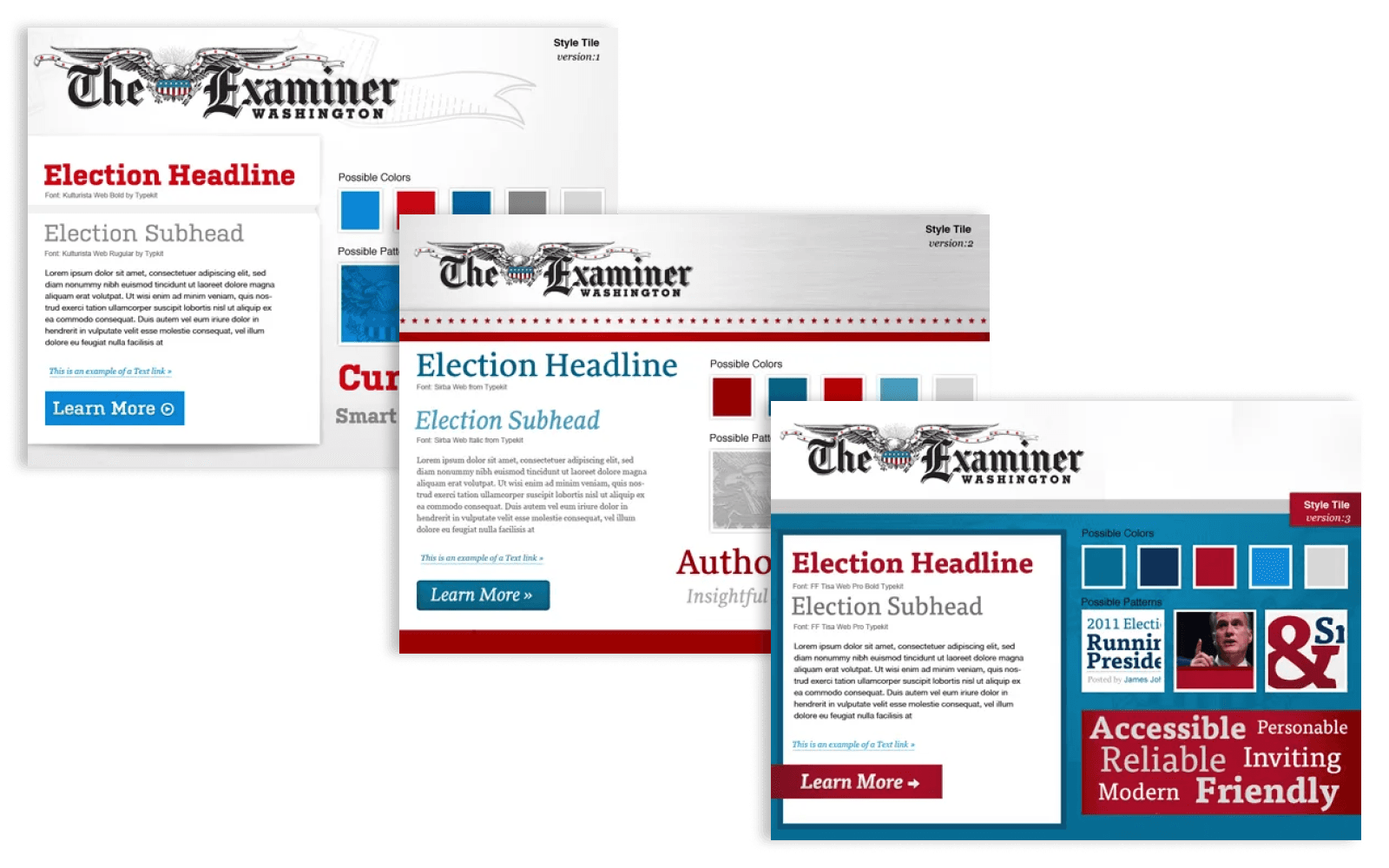
I've known design systems were the answer since before most people were calling them that. Before I was calling them that.
It was 2013, maybe 2014 — Event Apart in Austin. I sat through a talk on Style Tiles and something clicked. Not just as a design methodology, but as an organizational one. Here was a way to stop redefining the same things over and over, to close the gap between what design intended and what development delivered, to make "digital first" mean something beyond a slide in a deck.
I brought that back to my manager: we had to do this, we were working inefficiently and it was costing us real money. I was still early — hadn't earned the trust yet to make it land — and spent the next few years doing more spec work than UX design, fixing small inconsistencies in things we'd already defined.
Build tools, not rules.
A few years later, at a conference talk by Dan Mall, that line reoriented how I thought about what a design system actually is. Not a governance document. Not a constraint. A gift to the people building alongside you.

At that same conference, I got the opportunity to ask the CTO of Virgin America a question that's stuck with me since: how does a company get to that decision without it coming from the top, when you're not the one with that kind of authority? His answer — no one at Virgin wanted to do it either. Airlines are risk-averse to a fault. You start by talking about it with anyone who'll listen, the hallway, the lunch table, and the moment you hear someone else telling your story back to you, you've got a supporter.
That's exactly what I did. For years, I was the person in meetings who — when a problem came up that a design system would solve — said so, even knowing full well it wasn't on the roadmap. Enough of that, and it stops sounding like a pitch and starts sounding like consensus.
2019 was the turning point. I'd hit my limit with how long our transition off our old design language was taking, and I told my manager plainly: I was interviewing, and didn't see myself staying if we weren't going to do industry-standard work. He understood, and gave me 10% of my time to start making the case for real.
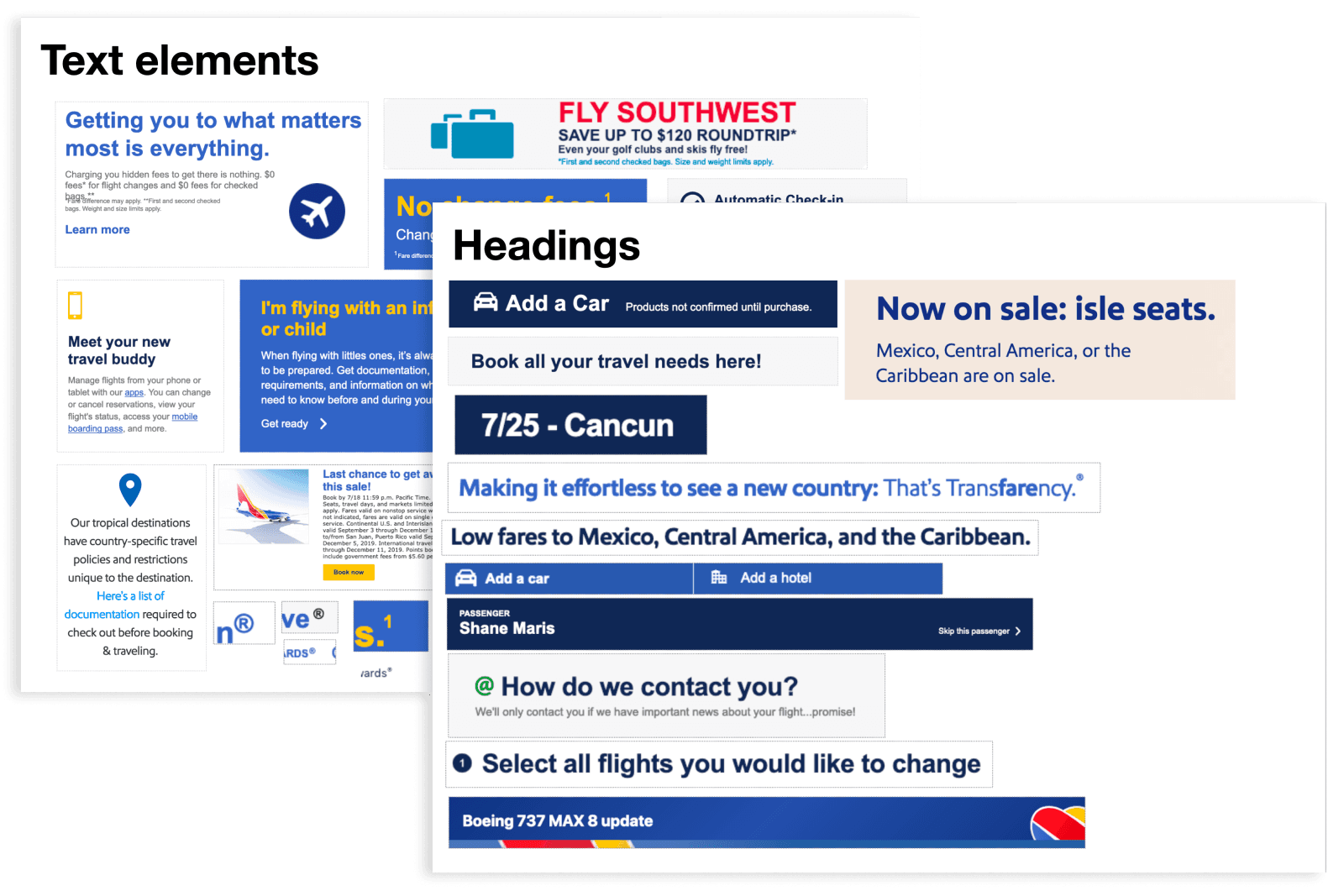
It took years, and a different pitch for every person I needed on board. For my manager, an audit of the current digital experience was enough — seeing how far design had already drifted made the case for itself. For the Director of Digital Experience, it was cost and time: converting our old design language to the new one page by page was measurably more expensive than doing it systematically, and that argument got me a technology partner and 50% of my time. For the Director of Brand, it was consistency — she'd watched the brand drift further from its own guidelines with every release we shipped, and a living system was the way to close that gap. That conversation is what turned 50% into nearly full-time, and unlocked the budget for an outside agency to help lay the actual brand foundations.
Somewhere in that climb, I got the Lead title I'd been working toward — and turned around and pitched a title change. It felt like Lead implied an end date to another project, something you finish, and I wanted the org to understand this was a product, not a project with a deadline. I pushed for Product Manager instead.